
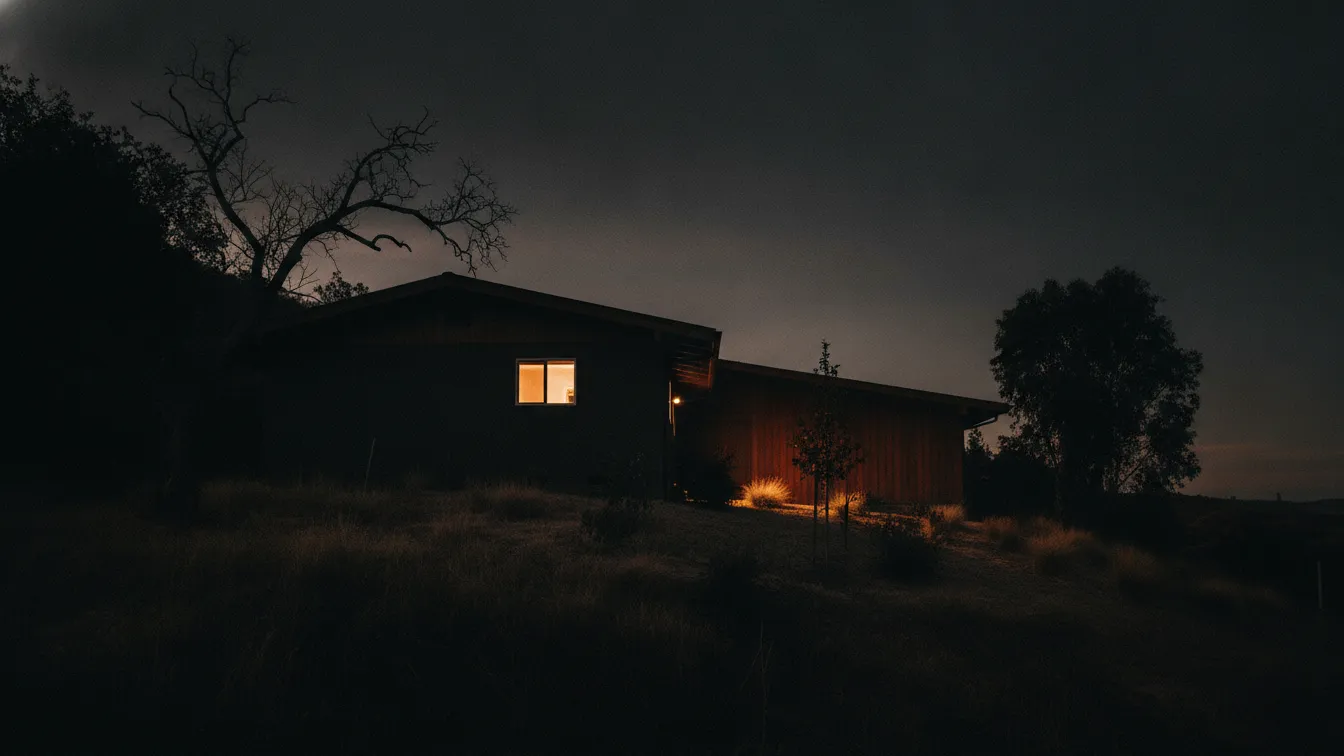
Attic insulation in Los Angeles
Thin, patchy or worn-out insulation over your ceilings, replaced or topped up with blown-in material. We look at the attic first, then explain what it needs.
Attic insulation is the layer between your living space and the hot or cold air above it.
When it is thin, uneven or soaked, the rooms below feel it. We install attic insulation in homes across Los Angeles, from Santa Monica, Beverly Hills and Hollywood to Pasadena, Tarzana and the South Bay.
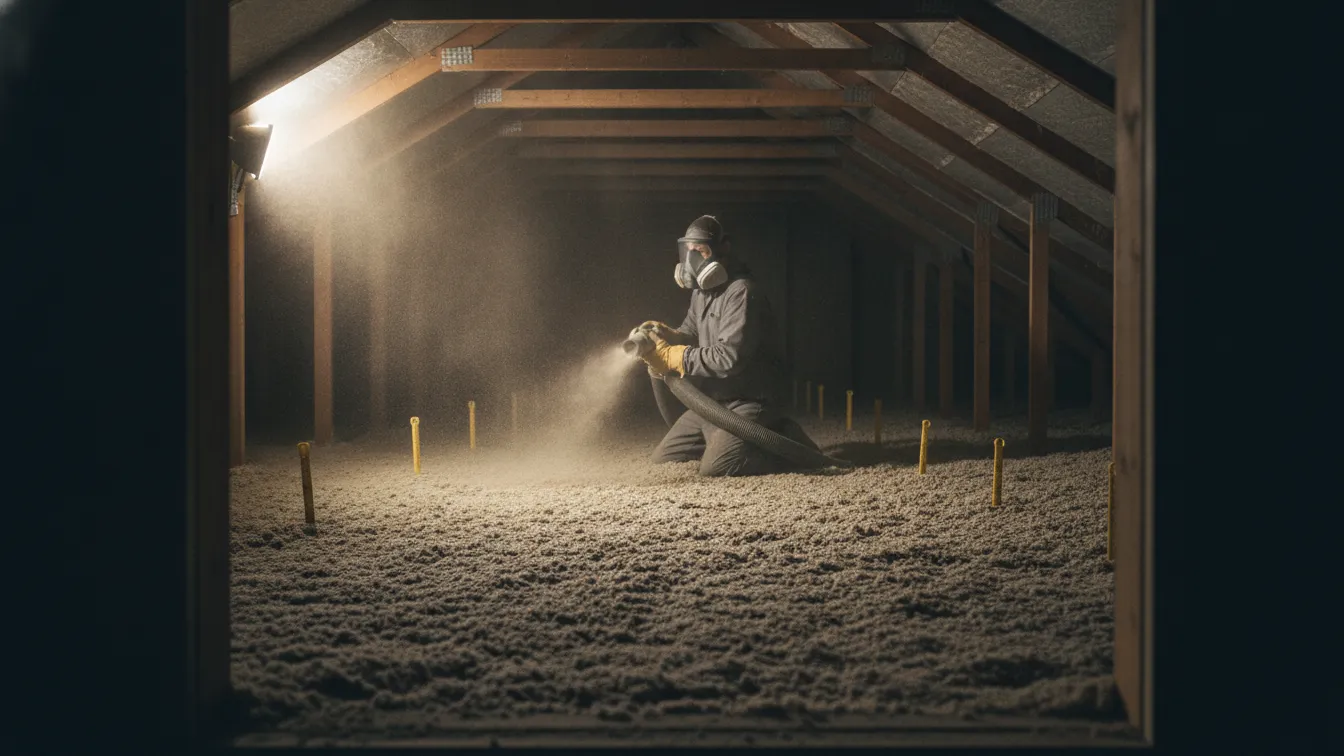
The usual way to add insulation to an existing attic is blown-in insulation, also called loose-fill. A hose and a blowing machine spread small fibers across the attic floor so they settle around joists, wiring and pipes. If your attic needs something different, such as removal first or foam, see all our insulation services and we will help you pick the right one. We are licensed and insured, and we work every day, every day, 7 a.m. to 11 p.m.
Signs your attic needs attention
Most attics tell you what they need from the hatch. These are the things we look for first.
You can see the joists
If the insulation sits at or below the top of the ceiling joists, there is usually room for more.
Rooms that swing hot and cold
Thin or uneven insulation lets large swings in indoor temperature through, and the air conditioning and heating run harder to make up for it.
Wet, stained or moldy insulation
Insulation that has been soaked by a roof leak or a vent that exhausts into the attic does not do its job and usually has to come out.
Droppings, trails or tunnels
Old batts can be nesting material for rodents. Insulation soiled by animals is a removal job before new material goes in.
Air leaking up from the rooms below
Gaps around recessed lights, pipes, wiring and the attic hatch let conditioned air escape and are sealed before insulating.
Batts that have slumped or shifted
Batts that were pushed aside for wiring, or compressed under stored boxes, leave gaps and lose effectiveness.
What attic insulation installation involves
Good attic insulation installation is mostly preparation. The blowing itself is the short part.
- Air sealing first. Leaks around plumbing vent pipes, wiring holes, recessed lights and chimney gaps are sealed before any insulation goes down, because insulation slows heat but does not stop moving air.
- Vents kept open. Baffles at the eaves keep the new material from blocking the soffit vents, so the attic can still breathe. Attic ventilation is reviewed whenever work is done in an existing attic.
- Hot and sensitive spots. Insulation is kept clear of chimneys and metal flues. Recessed lights that are not rated for insulation contact are covered or replaced. Vents from kitchens, bathrooms and dryers should lead outside, not into the attic.
- Depth you can check. Depth markers are set in the attic before blowing, so the finished layer can be checked for evenness and depth. The attic hatch is insulated and weather-stripped too.
- Checks before disturbing anything. Wet or moldy insulation, vermiculite that may contain asbestos and old knob-and-tube wiring are all reasons to stop and deal with the problem first.
Blown-in insulation: cellulose or fiberglass
Two fibers do most of the blown-in work, and both are used in existing homes because they conform to the space.
- Cellulose is made mostly from recycled paper and treated against fire, fungus and vermin. It must be kept away from flues and chimneys. If it gets wet it can hold a lot of water, which lowers its performance and can wash out the treatment.
- Fiberglass is spun glass, and some products include recycled glass. It does not hold water the way paper does, and loose-fill fiberglass is a common alternative for the same attic floor.
- What they share. Either one can settle if it is installed badly, either one is dusty to handle, and either one needs the attic prepared the same way. Mineral wool is a third loose-fill option.
So cellulose versus fiberglass insulation is a question about your attic, not a ranking. Moisture history, how much room there is above the joists, access through the hatch and what is already up there all matter. We go through the choice with you on the visit, and the finished depth is checked against what the material needs.
How much insulation an attic needs
People often ask about the attic insulation R-value. R-value measures how well a material resists heat flow, and a higher number means more resistance. The right level depends on the climate zone, the heating and cooling system and the house itself, and the local building rules also apply.
Rather than hand you a number off a chart, we look at what is already in your attic, how even it is and how much space there is above the joists. After the job, the depth that was added can be documented so you know what went in.
Blown-in insulation cost
The cost of blown-in insulation depends on the size of the attic, how much is already there, what has to be removed or sealed first, how hard the attic is to reach and the material chosen. Two attics of the same size can be very different jobs. Our guide to attic insulation cost explains what moves the price, factor by factor.
LADWP insulation rebate
If your electricity comes from the Los Angeles Department of Water and Power, ask about LADWP's Attic Insulation Rebate Program. It is a residential program with its own rules about eligible work, the paperwork it asks for, including a building permit that has been finaled, and a deadline to apply after installation. The program page also lists which kinds of insulation it covers, so read it before you choose a material. We do not set the program's terms and cannot promise a rebate.
Customers of other utilities should check their own utility's programs in the same way. If the work involves a permit, the city's building department issues it.
Who attic insulation suits, and how it fits with our other services
Attic insulation suits most homes with an accessible attic floor and insulation that is thin, uneven, flattened or missing. In Los Angeles that includes older homes, hillside houses and rooms under a roof that bakes in the afternoon.
- If the old insulation is wet, moldy or fouled by animals, insulation removal comes first, and rodent-damaged insulation covers the cleanup and what to do about the entry points.
- If you want an air barrier and insulation in one material, or the attic is part of the conditioned space, see spray foam insulation.
- If the roof takes the afternoon sun, a radiant barrier works differently, by reflecting heat, and it is fitted so it does not touch the insulation on the attic floor.
What the visit looks like
You call or send the form
Tell us what the rooms feel like, how old the house is and whether you have seen leaks or droppings in the attic.
We inspect the attic
We check the depth and evenness of what is there, look for moisture, pests, wiring and vents, and note what needs sealing first.
We explain what it needs
You get the findings in plain words, with the choices if there is more than one way to do the job.
We prepare, insulate and clean up
We seal and protect the vents, blow in the insulation to the agreed depth and leave the work area tidy.
Attic insulation questions
What type of insulation is best for an attic?
For an existing attic floor, blown-in loose-fill insulation such as cellulose or fiberglass is the usual choice, because it settles around joists, wiring and pipes. The best material for your house depends on moisture, access and what is already in the attic. We go through it with you on the visit.
How do I properly insulate my attic?
Seal the air leaks first, keep the soffit vents clear with baffles, cover or replace recessed lights that are not rated for insulation contact, and keep material away from flues. Then add insulation evenly to a depth you can check. That is why loose-fill work is usually left to a professional with the blowing machine.
Can I insulate my attic by myself?
Loose-fill insulation typically needs a professional installer and a blowing machine, and the preparation matters as much as the material. Some programs, including LADWP's attic rebate, also treat self-installation differently from contractor work, so read the rules before you start.
Is cellulose or fiberglass insulation better?
Neither wins in every attic. Cellulose is made mostly from recycled paper and treated against fire and pests, but it holds water if it gets wet. Fiberglass does not hold water the same way. We look at the moisture history and access of your attic before recommending one.
Does LADWP have a rebate for attic insulation?
LADWP runs an Attic Insulation Rebate Program for its residential customers. It has rules about the type of insulation, the paperwork and a finaled building permit, so check the program page for the current terms before you buy.
Not sure whether your attic needs more insulation, or a different fix? Tell us what you see up there.
Attic insulation
Get your attic looked at
Call us, or send the form and we will call you back. We work across Los Angeles and Ventura County, every day, 7 a.m. to 11 p.m.